



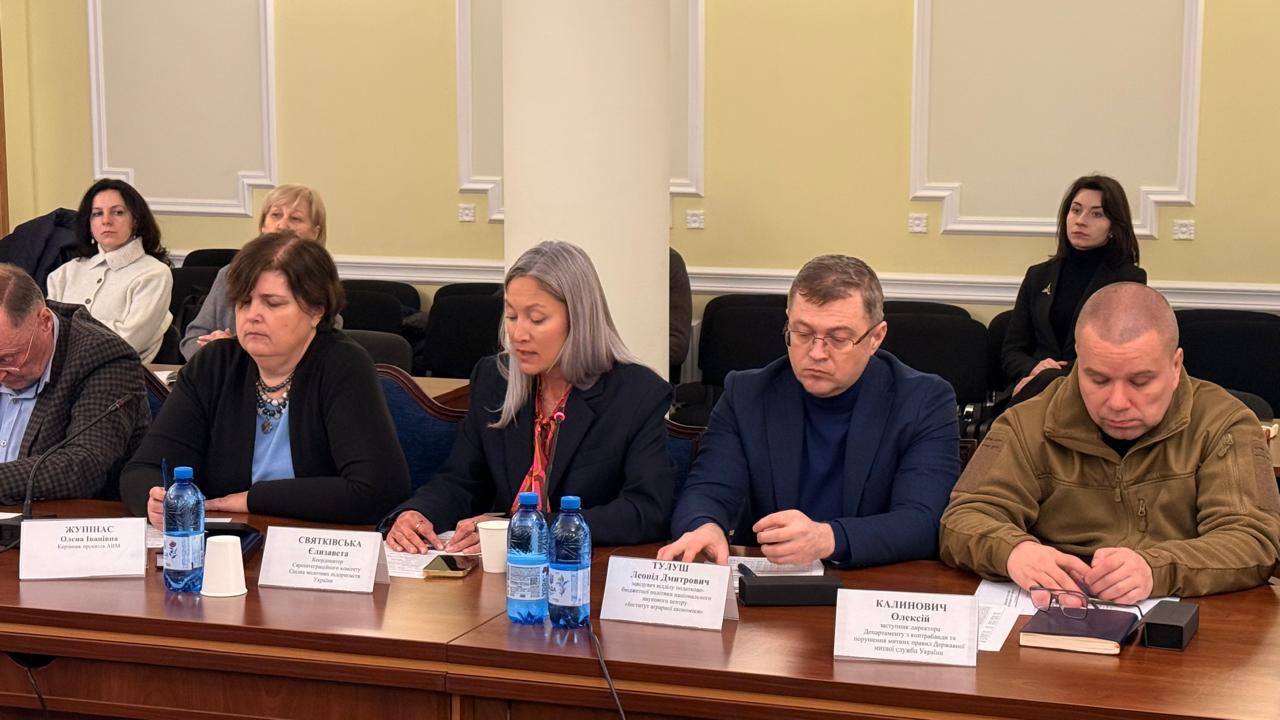
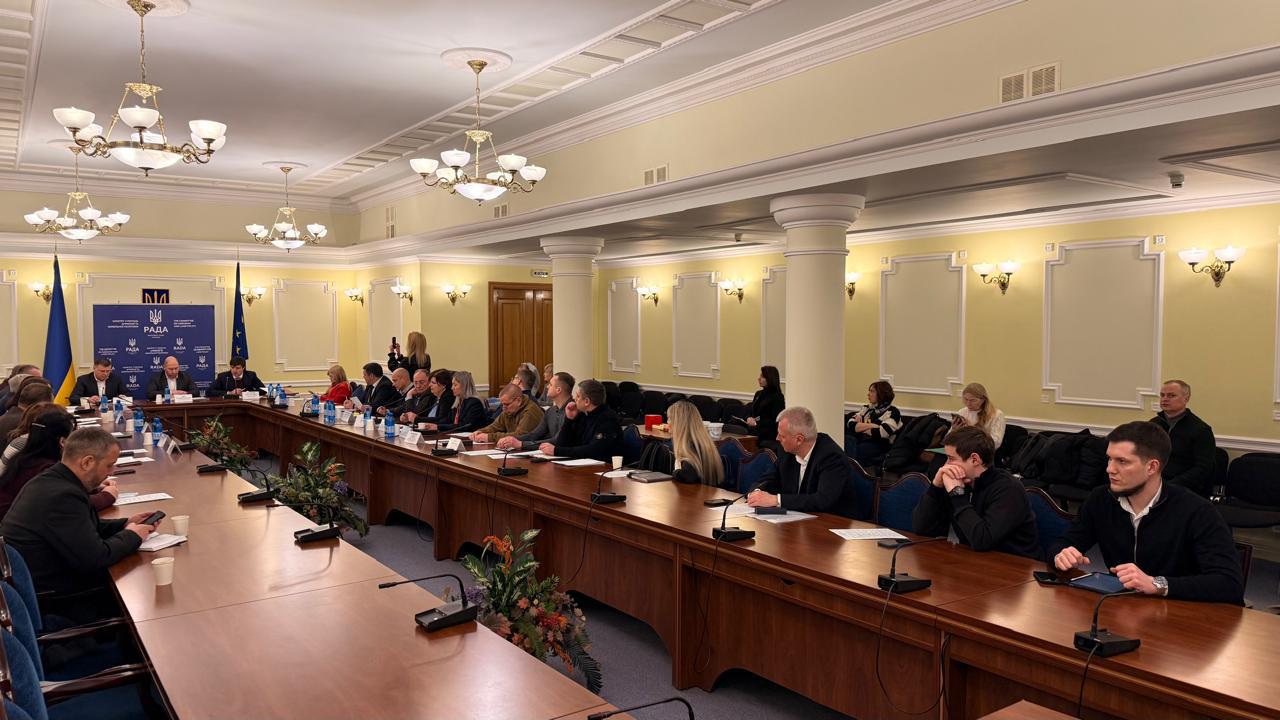
Ukraine's dairy industry has entered its deepest crisis in recent years. This is no longer a matter of market fluctuations or temporary difficulties — it is a risk of losing production potential that will be extremely difficult, and in some cases impossible, to restore after the war. It was with such a candid position that the Association of Milk Producers spoke during the Round Table of the Verkhovna Rada Committee on Agrarian and Land Policy: "Strategic Development of the Dairy Industry of Ukraine: Urgent Decisions 2026."
Today, milk producers are operating at a loss. In 2025 and early 2026, purchase prices for raw milk decreased by 23%, and in February 2026, they average about 13.5 UAH/kg excluding VAT, while average direct operating costs already exceed 16 UAH/kg. Even highly efficient industrial farms have been accumulating losses for the fourth consecutive month: for a dairy farm with 1,000–1,200 cows, this amounts to over 1 million UAH monthly.
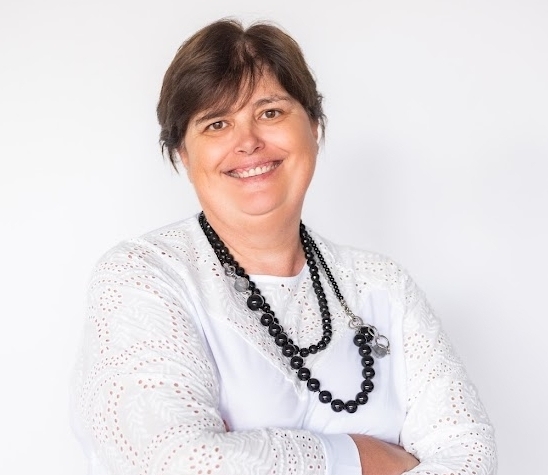
"The dairy industry is entering its deepest crisis in recent years. Without prompt decisions in 2026, we risk losing part of the production potential, which will be extremely difficult to restore after the war," emphasizes Olena Zhupinas, Deputy General Director of the AMP.
The AMP warns: in the absence of rapid decisions, by the end of 2026, the country risks losing 500–600 thousand tons of milk, which is almost 20% of industrial production. This signifies not just a crisis for an individual sector, but a threat to food self-sufficiency and an increase in Ukraine's import dependence.
The AMP's position is clear — the preservation of the herd and the solvency of farms must be at the center of state policy. "For the producer, the decision on support before the start of the sowing season is a choice: to sow fodder and keep the herd or to shut down production," notes Olena Zhupinas, commenting on the initiative for a special subsidy of 8,000 UAH per cow for industrial enterprises with over 50 cows. The potential volume of this program is estimated at 62 million euros.
No less fundamental is the issue of fair market conditions. Today, the financial risks of retail chains are shifted onto the producer and processor, which directly pressures the purchase price of milk. "Without the regulation of unfair trading practices, it is impossible to stabilize the 'farm — processing — trade' chain," emphasizes the AMP representative, insisting on the adoption of relevant legislative changes.
The third emphasis of the AMP's position is demand. State procurement must work for the Ukrainian producer, and the launch of the "School Milk" program can provide a systemic effect. About 4.4 million schoolchildren study in Ukraine, and the implementation of the program would require 195 thousand tons of milk per year, or about 5% of processing volumes. "This is not just about economics — it is an investment in the health of children in a warring country and the formation of a consumption culture for the future," emphasizes Olena Zhupinas.
The AMP's position is not a request for preferences, but a response to the scale of the challenges. 2026 will be a turning point: either decisions are made now, or the losses that can still be avoided today will cost the state significantly more tomorrow.
We will report on the results of the meeting in subsequent publications.
Press Service of the Association of Milk Producers
Follow us on LinkedIn
Related News: