


The provision of free milk to schoolchildren is becoming increasingly relevant both globally and in Ukraine. While the United Kingdom campaigns to expand its "School Milk" program, the Association of Milk Producers of Ukraine (AVM) calls for the implementation of a similar national strategy in Ukraine. This represents a path toward improving national health and stabilizing the agricultural sector.
Global Trend: Why Britain Chooses Milk?
The UK’s experience in implementing the "School Milk" program is a unique example of a state strategy that has successfully operated and evolved for over a century. Britain established a benchmark model that was subsequently adapted by dozens of countries worldwide and the entire European Union.
The British model created a powerful demonstration effect: its experience was immediately adopted by the USA, Australia, and European nations. Later, these developments formed the basis of EU policy (1977) and international initiatives under the auspices of the FAO. The strength of this system lies in the combination of social support for children with the development of national producers, proving its effectiveness through decades of practice.
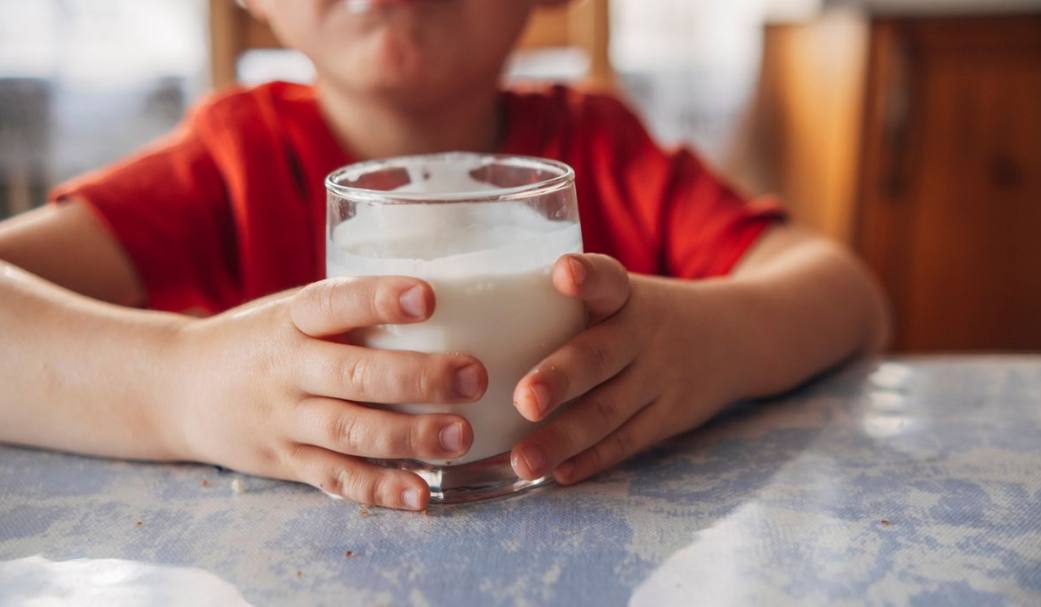
According to recent surveys by the national program Cool Milk, 82% of UK residents support extending the free milk program to cover the entire first year of primary school. The primary driver is the fight against inequality. Under the current system, support ends automatically when a child reaches age 5, creating a so-called "sharp cliff."
After age 5, the cost of "school milk" is subsidized by the state by over 70%. However, research shows that only 13.5% of parents continue to pay for milk independently after the subsidy period ends. As a result, over 480,000 children lose access to a product that 86% of respondents consider a key factor for proper nutrition and concentration during studies. Notably, the cost of the reform is relatively low — only £23.75 per student.
AMP Position: National "School Milk" Program in Ukraine
In Ukraine, the initiative is gaining strategic importance. The Association of Milk Producers of Ukraine consistently advocates for the launch of a National "School Milk" Program. During the Roundtable meeting at the Agrarian Committee of the Verkhovna Rada, "Strategic Development of Ukraine’s Dairy Industry: Urgent Decisions 2026," held on February 25, industry representatives outlined a roadmap for change.
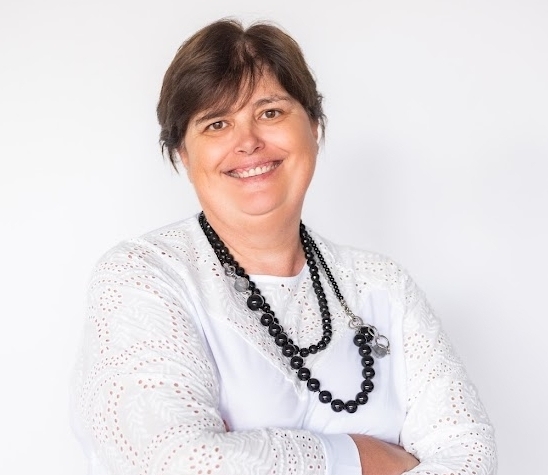
"Today, this experience is particularly relevant for Ukraine. The consequences of war — stress, forced displacement, and economic losses for families — directly impact the quality of children's nutrition and the risks of high-quality protein deficiency. Under these conditions, the 'School Milk' program can become more than just a social initiative; it can be an element of national policy for restoring human capital: providing children with an accessible source of protein, calcium, and energy, while simultaneously supporting Ukrainian milk producers. Therefore, AVM's systematic, long-term work in this direction is not just an industry initiative, but a strategic investment in the country's healthy future," emphasized Hanna Lavreniuk, Director General of AMP.
Economics and Regulations: 2026 Projections
The 2026 state budget already allocates 14.4 billion UAH for the comprehensive implementation of free meals. The program is expected to cover over 4.4 million children (grades 1–11).
According to Resolution No. 305, consumption norms for dairy products during a 5-day school week are:
- 200 ml of milk per day;
- Or equivalent: 125 ml of yogurt/kefir, 125 g of cottage cheese, 75 g of soft cheese, 15 g of hard cheese, or 25 g of sour cream.
Expert calculations suggest that with a 175-day school year, the volume of dairy consumption in schools will reach approximately 150,000 tonnes in milk equivalent. This accounts for roughly 5% of the total volume of industrial milk supplied for processing in Ukraine.
To ensure the successful implementation of the program, AMP urges the relevant Verkhovna Rada Committee to support several critical steps:
- Implementation of the National "School Milk" Program as a foundation for promoting healthy nutrition.
- Prioritizing Domestic Producers: Using exclusively Ukrainian products in public procurement.
- Strengthening Control: Rigorous monitoring of product origin to prevent low-quality goods from entering schools.
- Information Support: Conducting large-scale campaigns regarding the role of dairy products in a child's daily diet.
The introduction of uniform rules and stable demand will not only improve children's nutrition but also reduce the burden on school administrations by ensuring transparency in public procurement.
Press service of the Association of Milk Producers
Follow us on LinkedIn
Related News
Three Weeks to the Grand Finale: Who Will Become a Legend of the 2026 Dairy Market?